Roaming band cost varies widely depending on a handful of predictable variables; for most events in 2026 you can expect a solo strolling performer or small duo from the low hundreds for a short set, trios and small ensembles in the mid to high hundreds, and full roaming bands or extended multi-act performances ranging from several hundred to multiple thousands of dollars. Understanding the components that drive price—band size, performance length and format, travel and logistics, event type, seasonality, and venue constraints—lets you compare options and ask precise questions when contacting acts directly.
Understanding the Primary Drivers of Roaming Band Cost
The cost of hiring an interactive musical act is determined by a combination of artistic talent, logistical complexity, and time commitment. Unlike a stationary stage band, roaming musicians must maintain high energy while navigating a crowd, which requires specific wireless equipment and a higher level of performance stamina. Consequently, the quote you receive reflects not just the music played, but the specialized skill set required to engage guests in a mobile format.
Beyond the performance itself, administrative overhead and preparation play a significant role in the final price. Professional acts include costs for bespoke setlist curation, coordination with event planners, and the maintenance of high-quality portable instruments. When you evaluate a roaming band cost, you are investing in a seamless integration of entertainment that adapts to the flow of your venue and the energy of your guests.
Band Size and Instrumentation Variables
The number of performers is the most significant factor in determining your total investment for live entertainment. A solo guitarist or a duo provides a charming, intimate atmosphere suitable for smaller gatherings, whereas a full five- or six-piece brass and percussion group creates a high-impact, parade-like energy. Each additional musician increases the fee linearly to cover their professional rate, travel, and meals.
Larger ensembles also require more intensive coordination and rehearsal to ensure their mobile choreography remains polished and professional. If you are planning a destination wedding roaming band, the size of the group will also dictate your flight and accommodation budget. Choosing the right size is about balancing the physical space of your venue with the sonic impact you want to achieve during the peak moments of your celebration.
Impact of Performance Length and Set Structure
How long the musicians are on-site and how they distribute their playing time directly influences the quote. Most roaming acts offer packages based on a specific number of sets, such as two 45-minute strolls or three 30-minute high-energy bursts. Continuous roaming over several hours is typically more expensive due to the physical demands of moving with instruments and the lack of downtime for the performers.
It is important to distinguish between performance time and “call time,” which is the total duration the band is required to be at the venue. If your event has a long gap between the ceremony and the reception, you may incur “idle hour” fees to keep the musicians on standby. Understanding when to book a roaming wedding band allows you to align their performance with peak guest arrival times, ensuring you get the maximum value for every dollar spent.
Pricing Tiers by Ensemble Type
| Ensemble Type | Typical 2026 Price Range | Best For |
| Solo / Duo | $350 – $900 | Micro-weddings and garden parties |
| Trio / Quartet | $1,200 – $2,800 | Cocktail hours and mid-sized receptions |
| 5+ Piece Showband | $3,000 – $6,000+ | Corporate activations and luxury galas |
Create Memorable Events with Live Music That Moves
Discover roaming bands that perform among your guests, create interaction, and elevate weddings, private parties, and corporate events. Explore your options and contact the right band today.
Travel, Logistics, and Venue Requirements
Geographic location and venue accessibility are often overlooked elements that can shift a roaming band cost. Musicians based in major metropolitan hubs may have higher base rates due to living costs, while groups traveling to remote locations will add mileage or flat travel fees. Additionally, logistical hurdles like limited parking, strict load-in windows, or the need for overnight lodging for late-night finishes will be reflected in the final invoice.
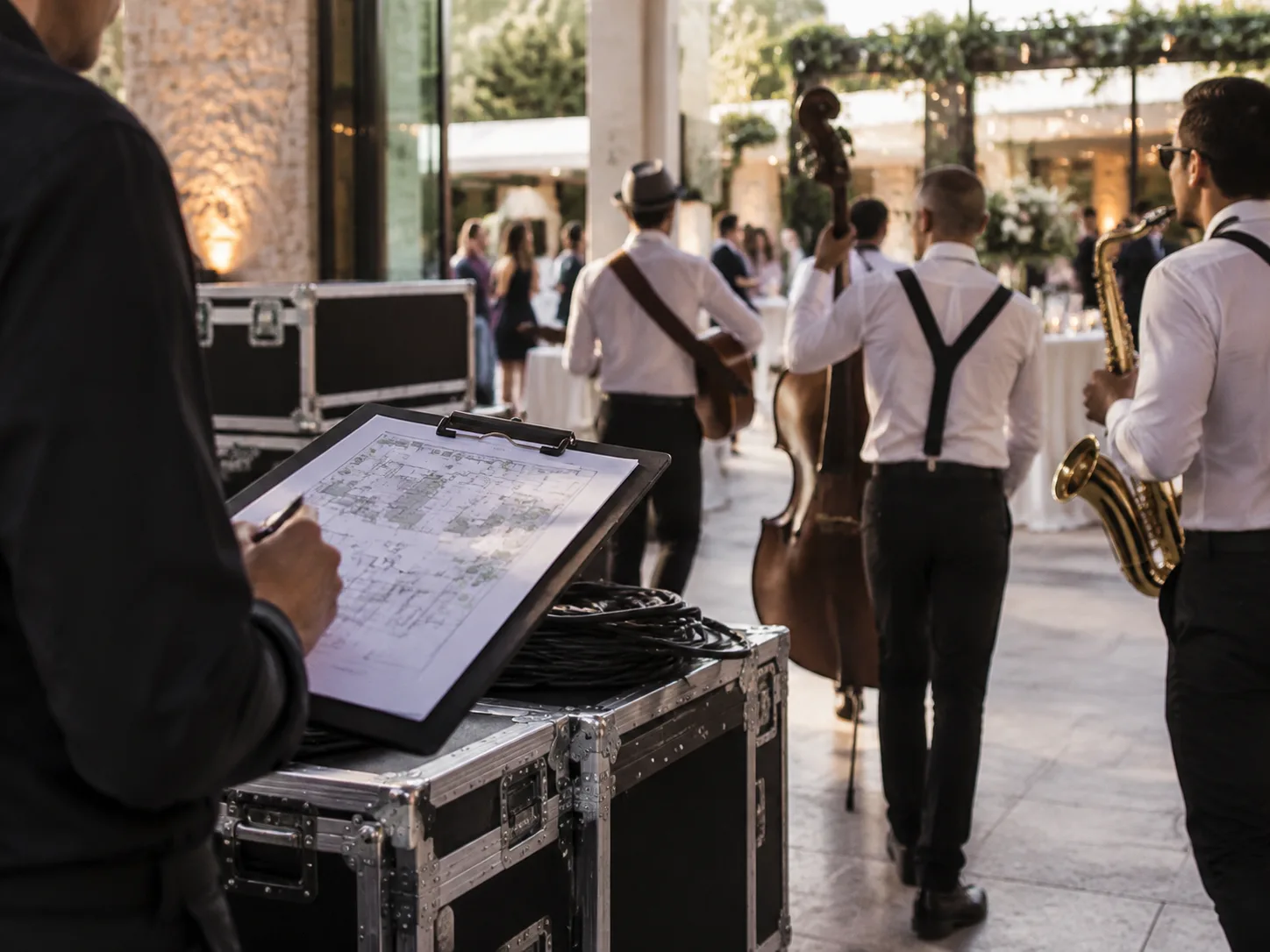
Venues also impose certain constraints that can impact the technical requirements of the band. For instance, if a roaming group needs to use battery-powered amplification to be heard in a large outdoor space, there may be a small equipment rental fee. Always provide your band with a clear picture of the venue layout so they can calculate the most efficient logistical plan, preventing any last-minute “surprise” expenses.
Corporate vs. Private Event Pricing
Corporate functions often command a premium because they require a higher degree of administrative compliance and planning. This includes providing proof of specialized public liability insurance, adhering to strict branding guidelines, and participating in multiple production site visits. The roaming band cost for a corporate activation often covers these “behind-the-scenes” hours that ensure the performance aligns perfectly with the company’s message.
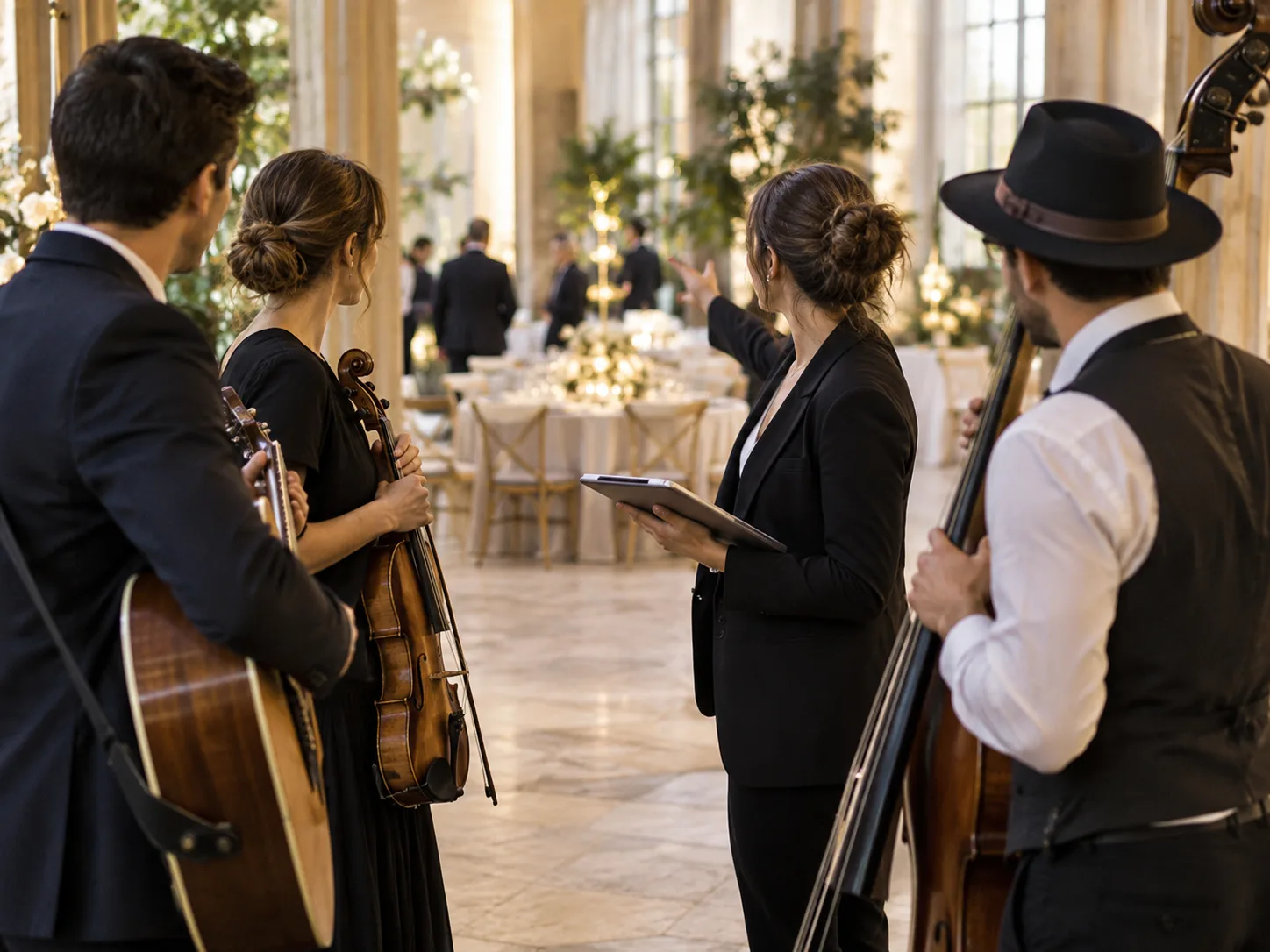
Weddings and private parties, while requiring a more personal touch, typically have more straightforward logistical needs. However, the emotional stakes are higher, and the band often spends significant time consulting with the couple to ensure the repertoire matches their vision. Regardless of the event type, requesting a line-item breakdown helps you see exactly where your budget is going, from the musicians’ fees to the administrative support.
Seasonality and Peak Date Demand
The date of your event is a powerful lever in determining how much you will pay for premium live music. Saturday nights in the summer or during the holiday season are the most sought-after dates, often carrying a “peak demand” surcharge. Conversely, booking a roaming act for a midweek corporate event or a winter wedding can often result in significant savings or more flexible package options.
Bands use dynamic pricing to manage their calendars, so being flexible with your date or time can work to your advantage. If you are working with a strict budget, ask the band if they have “off-peak” rates or if a shorter, high-impact set might be more cost-effective than a full-day booking. This transparency allows you to secure high-quality entertainment without overextending your financial plans for the overall event.
Create Memorable Events with Live Music That Moves
Discover roaming bands that perform among your guests, create interaction, and elevate weddings, private parties, and corporate events. Explore your options and contact the right band today.
Why Choose Roaming Band for Your Next Experience
Selecting a specialist like Roaming Band ensures that your entertainment is more than just background noise; it becomes a focal point of the guest experience. Unlike traditional stage bands that remain separated from the audience, our musicians break the “fourth wall,” moving through the crowd to create spontaneous, joyful interactions. This style of performance is perfect for breaking the ice at corporate mixers or adding a touch of magic to a wedding procession.
Every performance is tailored to the specific energy of the room, allowing the musicians to speed up the tempo during a lively party or provide a sophisticated acoustic backdrop during a formal dinner. By choosing a roaming format, you eliminate the need for bulky stages and complex wiring, making it a versatile choice for unique venues like rooftops, beaches, or historic manors. It is a modern, high-energy alternative that prioritizes human connection and unforgettable memories.
Maximizing Value for Your Roaming Band Cost
To get the most out of your investment, it is essential to communicate your event’s flow clearly to the performers. A roaming band is most effective when they can move freely and surprise guests, so avoid placing them in cramped corners or behind buffet lines. When the musicians have the space to circulate, the perceived value of the performance sky-rockets, as every guest feels like they are getting a front-row show regardless of where they are standing.
Working with Roaming Band means you are hiring a premium provider dedicated to excellence in interactive entertainment. We focus on delivering high-quality sound and engaging visuals that justify the roaming band cost through sheer impact and professional execution. By focusing on quality over quantity and planning your schedule to highlight the band’s mobility, you ensure that your live music spend creates a lasting impression on every attendee.